
One of the most common questions couples ask when planning a wedding is also one of the most uncomfortable:
Who pays for what?
Traditionally, there were clear rules. Today, those rules rarely reflect reality. After years working with weddings across Australia — from intimate elopements to large, culturally rich celebrations — one thing is clear: there is no single right answer.
What matters most is understanding the options, the expectations behind them, and how money can shape the wedding experience — for better or worse.
The Traditional Breakdown (And Why It Often Doesn’t Apply Anymore)
Traditionally, weddings followed a fairly rigid structure:
Bride’s family paid for the ceremony and reception
Groom’s family covered the rehearsal dinner
Couple paid for rings, attire, and honeymoon
While some families still follow this model, it’s increasingly rare — especially among modern couples who value autonomy and shared decision-making.
In today’s weddings, tradition often clashes with reality.
What Actually Happens in Modern Weddings
From what we see most often, wedding finances usually fall into one of these scenarios:
1. The Couple Pays for Everything

This is increasingly common, especially among modern, independent couples.
Why it works:
Full creative freedom
No external pressure on decisions
Clear boundaries
The challenge:
It requires careful budgeting and prioritising what truly matters.
A great example is couples who choose intimate elopements or private ceremonies — making intentional choices that reflect their values rather than expectations.
2. Parents Contribute — But Don’t Control
Many families choose to support the wedding financially without attaching conditions.
Best practices we’ve seen:
Parents gift a fixed amount
Parents pay for specific items (venue, catering, or photography)
Expectations are discussed early
This approach often creates the healthiest balance between support and independence.
3. Parents Pay — And Expectations Follow
This is where things can become complicated.
When parents cover large portions of the wedding, it can unintentionally introduce:
Pressure over guest lists
Influence on vendors
Creative limitations
Money often comes with emotional expectations — even when unspoken.
We’ve seen beautiful weddings where family involvement was deeply meaningful, especially in culturally rich celebrations. We’ve also seen stress arise when financial control wasn’t clearly defined.
Cultural Traditions vs. Modern Autonomy
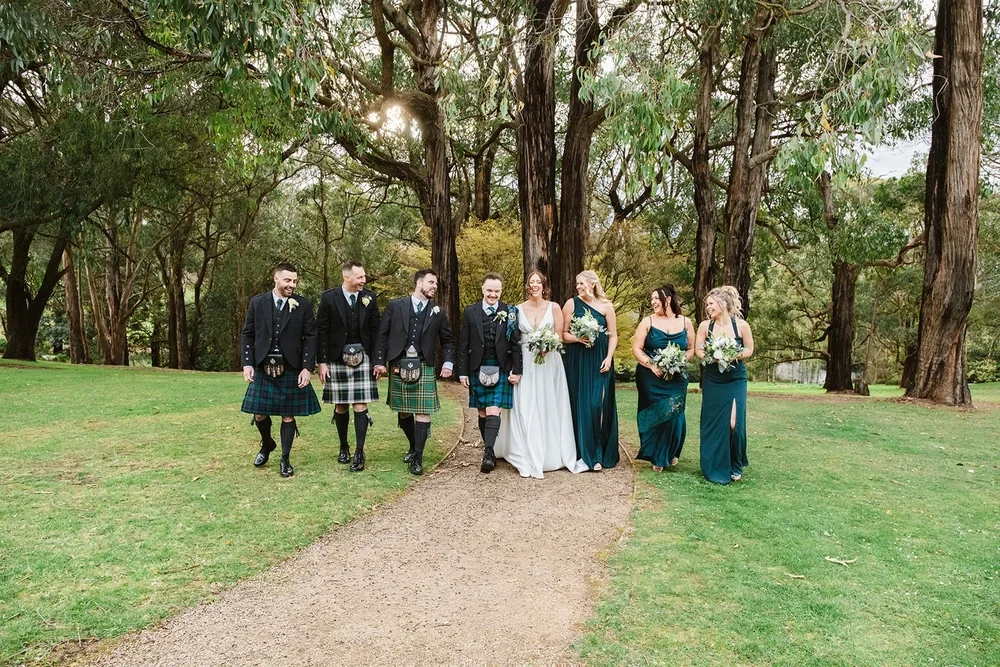
Working with couples from diverse backgrounds has shown us that tradition doesn’t have to mean rigidity.
Some weddings embrace strong cultural customs and family involvement. Others intentionally step away from them. Neither is wrong.
What matters is that the financial structure supports the couple’s story — not overshadows it.
The Costs Couples Most Often Underestimate
Regardless of who pays, couples often underestimate:
Photography and videography as long-term investments
Audio capture during vows and speeches
Editing time and storytelling expertise
The emotional value of documentation over décor
Your flowers fade. Your cake gets eaten. The music stops.
Your photos and film are what remain.
Our Honest Advice
After years in this industry, our perspective is simple:
There is no rulebook that fits every couple
Financial clarity prevents emotional tension
Money should support the experience — not dictate it
Your wedding should reflect your values, not outdated norms
A well-planned wedding isn’t about who pays more. It’s about who feels respected, heard, and aligned throughout the process.
Final Thoughts
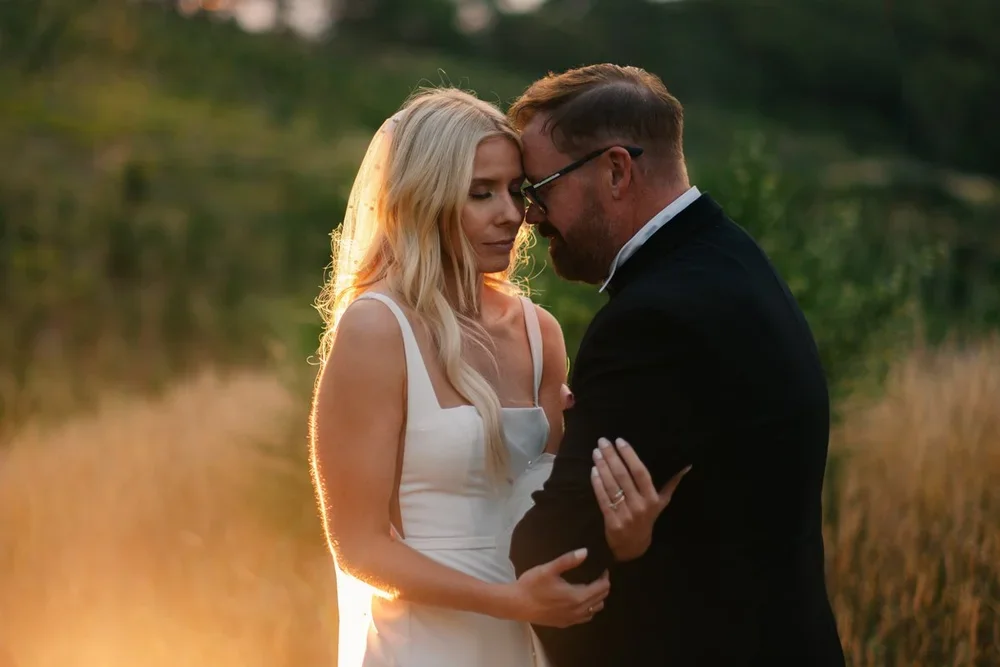
If you’re navigating conversations about who pays for what, start with honesty. Talk openly. Define boundaries early. And remember:
This day happens once.
Make choices that allow you to experience it fully — without regret, guilt, or unnecessary pressure.
Want vendors who understand modern weddings?
Work with professionals who respect your autonomy, value emotional storytelling, and have seen every possible scenario — so you don’t have to learn the hard way.
If you’re navigating the “who pays for what” conversation and want your wedding to feel aligned, respectful, and emotionally true to you, fill out the form below. Share a few details and we’ll be in touch with the next steps.
