
The choice between an indoor and outdoor ceremony is one of the biggest decisions couples make — and it has a direct impact on your wedding photos that most planning guides never mention. Here's how each setting shapes what your photographer can do, what challenges they'll face, and how to set up either option for the best possible result.
Outdoor Ceremonies: Beautiful Light, Variable Conditions
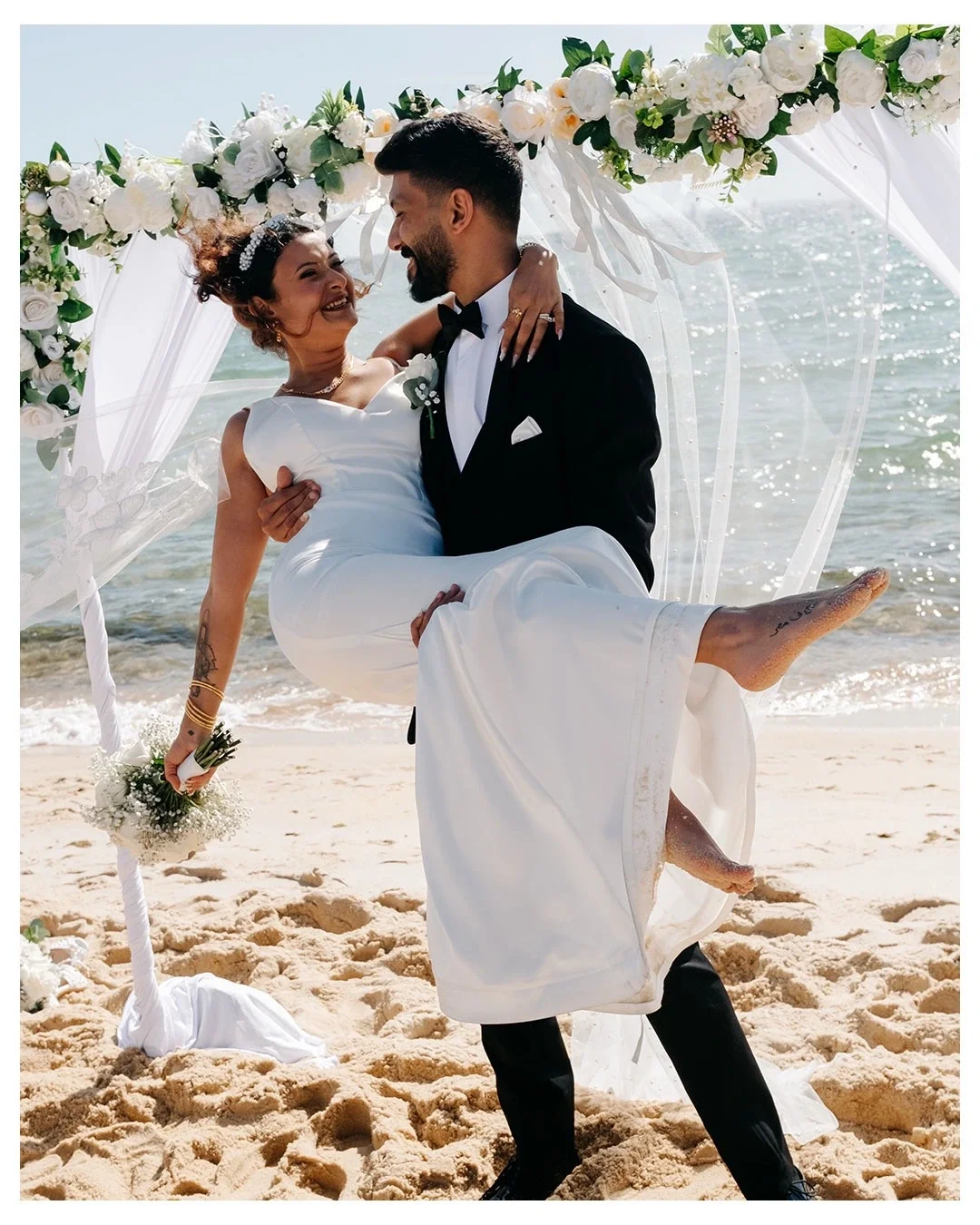
Outdoor ceremonies give your photographer the most to work with — abundant natural light, open space, and a backdrop that changes with the sky. At their best, outdoor photos have a warmth, depth, and atmosphere that's very hard to replicate indoors.
The challenge is control. Natural light is beautiful, but it's also unpredictable. Midday sun creates harsh shadows across faces. An overcast sky flattens the light and dulls colours. A venue where the ceremony faces directly into the afternoon sun means squinting guests and blown-out highlights. These are all solvable problems — but they require an experienced photographer who can read the conditions and adapt.
What helps with an outdoor ceremony
Choose a ceremony time of day that avoids harsh midday sun — mid-morning or late afternoon works best
Discuss the direction the ceremony faces with your photographer in advance so they can plan their positioning
Have a wet-weather contingency and make sure your photographer knows what it is
Indoor Ceremonies: Consistency With Constraints
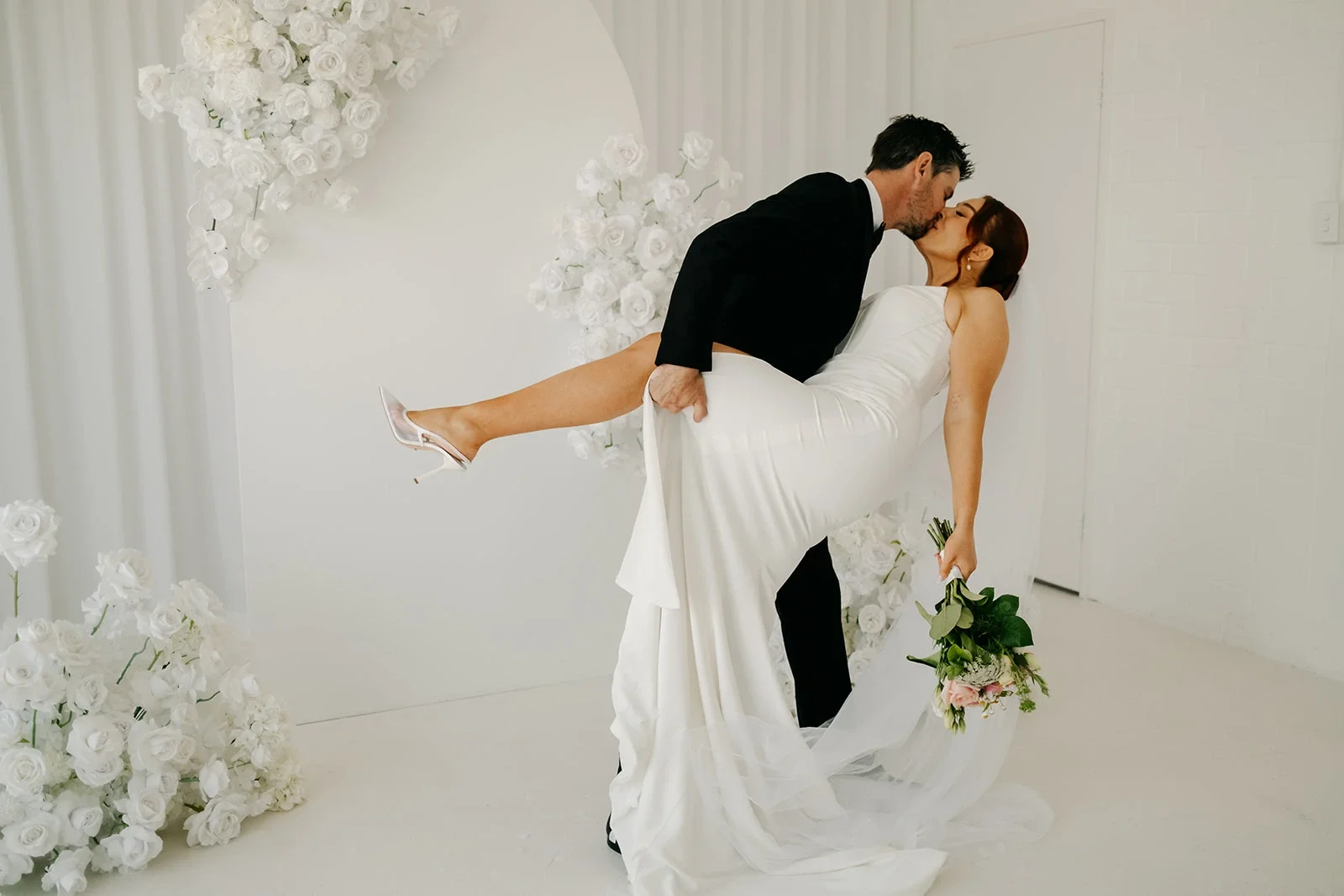
Indoor ceremonies offer something outdoor ones can't: consistency. The light doesn't change with the weather. The background is controlled. The atmosphere is defined by the venue rather than the sky.
The constraint is light quantity. Many ceremony venues — churches, heritage buildings, garden rooms — are beautiful spaces with challenging lighting for photography. Low light means slower shutter speeds, higher ISO, and the potential for grain or motion blur. Flash can help, but not all venues permit it during the ceremony, and poorly used flash can flatten the beautiful ambient atmosphere you chose the venue for.
What helps with an indoor ceremony
Check with your venue whether flash is permitted during the ceremony and let your photographer know
If possible, choose a venue with windows that bring in natural light from the side — it's the most flattering for portraits
Ask your photographer how they handle low-light ceremonies — their answer will tell you a lot about their experience and equipment
The Variable That Matters Most: Your Photographer's Adaptability
The honest truth is that the indoor vs. outdoor question matters less than the experience of the person behind the camera. An exceptional photographer will produce beautiful images in a dim church and in direct afternoon sun. A less experienced one will struggle with both.
What you're really looking for when you ask this question is a photographer who has shot in a wide range of conditions — different venues, different seasons, different times of day — and can show you the results across all of them. Ask to see galleries from indoor ceremonies and outdoor ones before you decide whether a team is the right fit for your venue.
We've Shot in Both — Here's What We've Learned
We're Darlan and Christian, a Melbourne and Adelaide photo and video duo. We've photographed weddings in sun-drenched vineyards, moody heritage churches, bright garden pavilions, and candlelit dining rooms. Whatever your venue, we'll discuss the conditions with you in advance so there are no surprises on the day. Get in touch with Honey Weddings to talk through your ceremony setting.
For tips on planning a timeline that works around your venue and light, read How to Create a Wedding Day Timeline That Works for Your Photographer.
